5521 W. Higgins Ave, Chicago, IL 60630
When walking down Gale Street towards Higgins Ave. there is a prominent house that sticks out: 5521 W. Higgins Ave. From full porch filled with very decorative spindlework on the supports to the layered roof including a round tower to the asymmetrical layout of the entire house… it screamed Queen Anne. This was a very important finding because it is the only building in this area that nearly goes all the way back to Elijah Wentworth’s time. These homes were typically built in the 1880s until the early 1900s. This was right around the time that Jefferson Park was becoming established as a neighborhood in Chicago. The urban development that essentially created this landscape was the increase in population that occurred in this exact area in early 1860s. The new businesses also brought new individuals and families who needed homes and this was one of them. The entire development of this area starting with the Wentworth Tavern, created a demand for homes such as this one.
The evidence in this development is seen both in the building itself and the surrounding properties. Firstly, this building built in 1890 shows the presence of families in that area at the time. This style of home is very large and is meant to hold big families. In addition, it’s a very fancy style of architecture and that reveals the wealth of the people who once lived in the area. Today, the area is still charming and that is due to the previous generations who inhabited this location. When thinking about the surrounding environment, this house exists because of the population that Wentworth brought to the area.
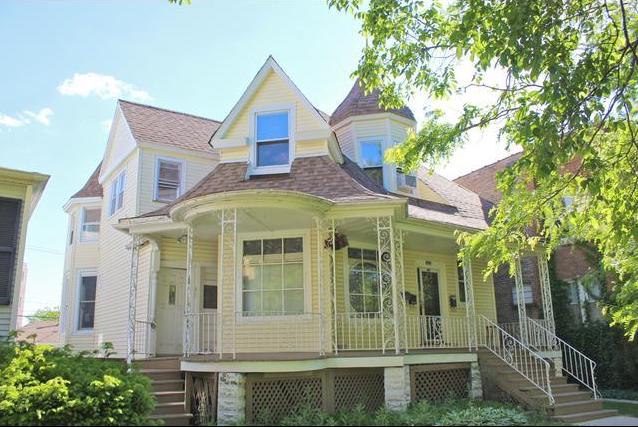
The reason that this home sticks out so much is because it’s architectural style is drastically different from the surrounding homes. The landscape around it has been remade and renovated. Most of the neighboring homes are new apartment buildings or bungalows. Many of the surrounding businesses are also new, yet the Queen Anne still stands. This building is a historical staple of this neighborhood and will continue to be preserved. Therefore the urban development of the environment surrounding it won’t make much of an impact.
 Field Guide to the Changing City: Jefferson Park, Chicago