4822 N. Long Ave, Chicago, IL 60630
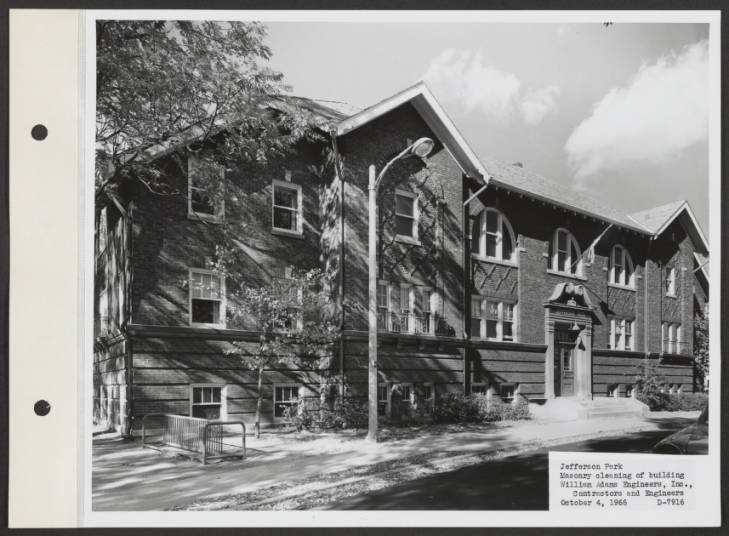
The establishment of a park in a community is a sign that the population is significant enough to make use of it. The field house sitting in the middle of Jefferson Memorial Park featured a brick building, with a steep roof encased by multiple gables, wooden framed windows and an eye-catching embellishment surrounding the door; a Tudor style building. Observing this style allowed me to recognize when it may have been built; anywhere from 1900 to 1940. Upon further research, I found that the land for the park was bought by the Jefferson Park District in 1920 and by 1930 it was landscaped and the field house was built. Given my knowledge of the initial founding of the neighborhood by Elijah Wentworth, I know that this was one of the many facilities designed in the early 1900s to serve the growing population.
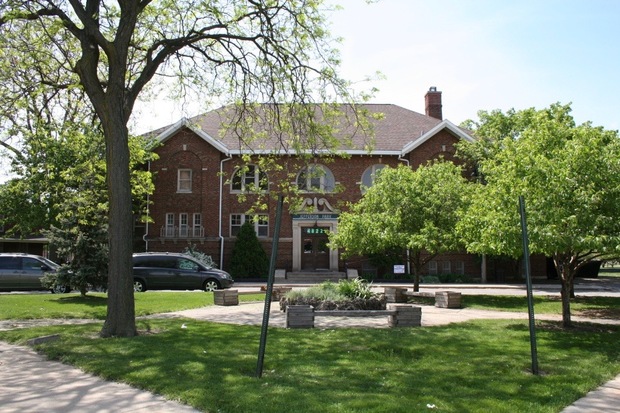
The fieldhouse was designed by Clarence Hatzfeld. Hatzfeld was a Chicago architect who specialized in designing fieldhouses. His work is featured in many of the historic Chicago Park District field houses. The creation of this building was due to the population growth and growing demand for a place of public recreation in the early 1900s. In the late 1800s when Jefferson Park was established, various businesses were also established. With those businesses came individuals with families who owned them. This park and fieldhouse provided recreation for those families, inherently serving the shifting population of more families inhabiting the neighborhood. In addition, the creation of this building and park came after an 1850’s movement by the citizens of the city of Chicago that demanded more parks be built. During this time much of the city wasn’t “attractive” as it was very industrialized and overpopulated. After the movement, the protestors were heard and parks such as Jefferson Memorial were created for communities to enjoy.
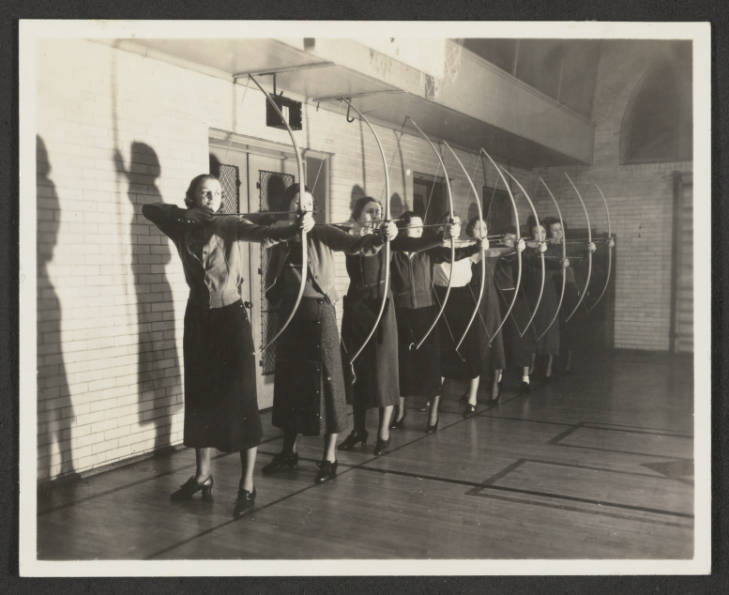
The evidence of the community it was built to serve is seen in the services provided. The fieldhouse offered various activities for families and community members to enjoy such as archery, baseball, arts and crafts, baseball, etc. On the land itself, playgrounds and open land were provided for the community to share. This was built so that the growing population could connect.
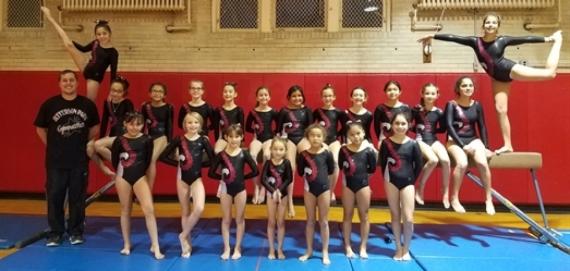
With the advancement of society and technology making up urban development, this property has constantly been updated and “remade.” Some of those changes include: inground pool, a large variety of sports offered, services such as summer camp and afterschool programs and more. When thinking about the increase in child care programs being offered this can be directly correlated to the shift in gender roles over time, specifically in urban areas. A large majority of women didn’t enter the workforce until the 1960s. Prior to the feminist movement that took place during this time, women typically stayed at home and took care of the children. Therefore childcare programs weren’t necessary, the women provided childcare. But as times have shifted, so have gender roles. The number of women in the workforce in 2019 compared to the early and mid-1900s is drastically different. Establishments such as this park have also shifted their services to keep up with that shift. Hence the creation of childcare programs.
 Field Guide to the Changing City: Jefferson Park, Chicago